The PrehGastro model, which brings together prehistoric science and Cantabrian gastronomy, travels to the cradle of Japanese civilization to inspire and train its tourism and heritage experts.
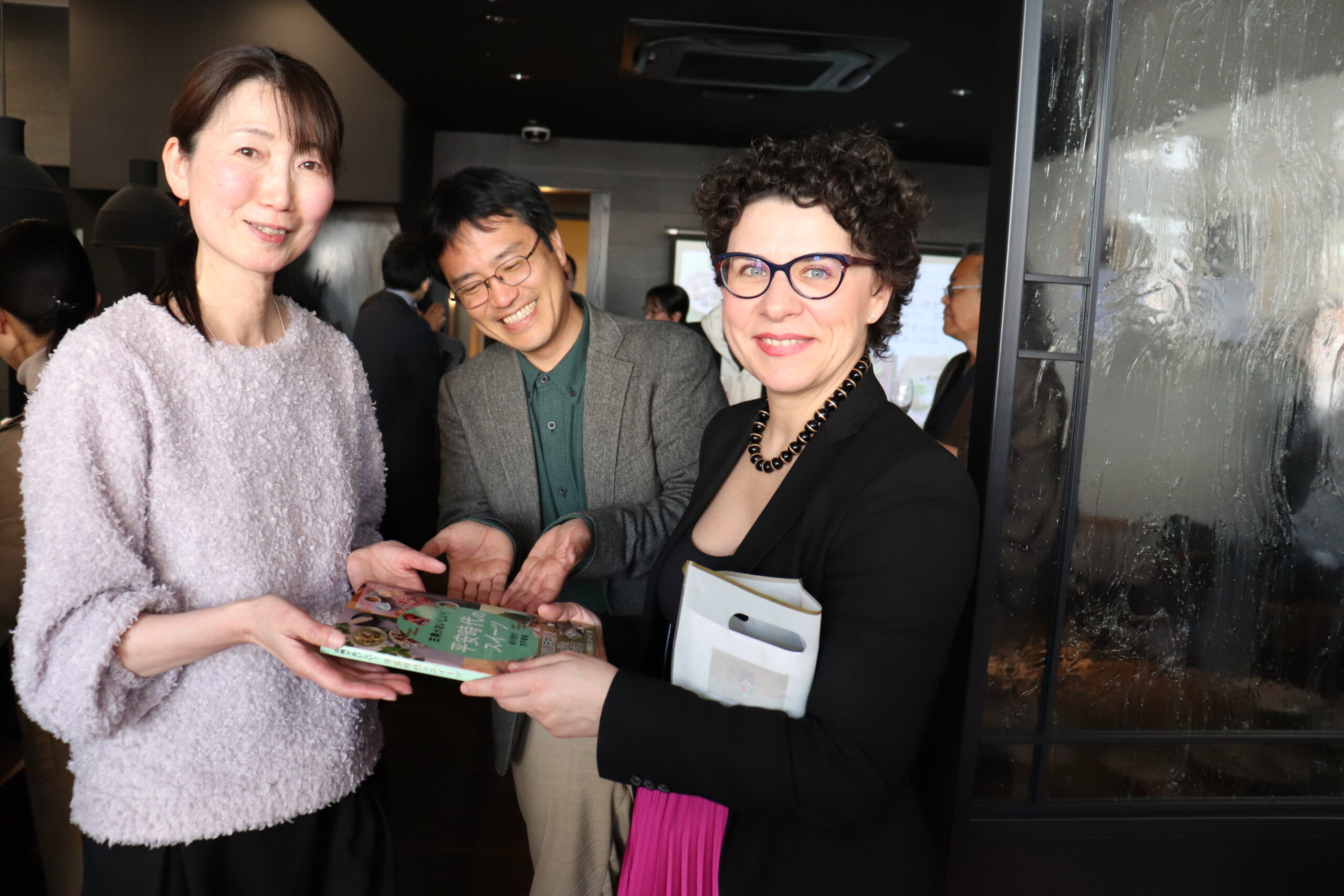
In the heart of Japan, where millennia‑old tradition meets cutting‑edge innovation, an intriguing cultural exchange has taken shape. Ana Belén Marín Arroyo, director of the EvoAdapta Group at the University of Cantabria, traveled to the city of Nara with a very special mission: to present to Japanese tourism and culture professionals a project that proves that Prehistory is not only something to visit, but also something to taste.
Science as a Starting Point
This project is PrehGastro, a pioneering initiative born with a clear goal: to unite top‑tier prehistoric research with the gastronomic excellence of Cantabria. It is not a whim, but a model based on scientific evidence aimed at generating high value‑added tourism and energizing rural areas.
Its foundation is solid: Cantabria is an epicenter of Prehistory — with UNESCO World Heritage caves such as Covalanas or El Castillo — and also the home of cutting‑edge cuisine recognized with Michelin stars and Repsol Suns.
This foundation guided Marín Arroyo’s presentation at the conference held in Nara, home to the prestigious National Research Institute for Cultural Properties. There she explained how the project was built on concept tests analyzed by professionals and on surveys of travelers to determine what the public seeks in an archaeogastronomic experience. This approach has turned PrehGastro into an exportable model for sustainable territorial development.
Culture Simmering Slowly
“Japan has the ideal conditions to develop PrehGastro,” says the UC professor of Prehistory. “We share the same fundamental ingredients: UNESCO heritage, top‑tier research — as shown by the discovery of contents preserved in Jōmon‑period pottery, the oldest in the world — and a gastronomic culture where detail is elevated to the category of art.”
During her stay, Marín Arroyo took part in seminars on ancient cooking methods alongside Japanese, Canadian, and Austrian specialists, led by host Shinya Shoda, head of International Cooperation at the institute and co‑founder of the journal Archaeology of Food and Foodways. She also visited their laboratories, where she learned about advanced techniques for analyzing lipids in ancient ceramics — a line of research parallel to the studies that give life to PrehGastro.
The Main Course: An Experience That Crosses Borders
The highlight was the tasting of an archaeogastronomic experience inspired by the Nara period (year 710). According to Marín Arroyo, it was a banquet in which “the attention to detail and the exquisite care in the preparation and plating” showcased the Japanese sensitivity to the connection between heritage, memory, and gastronomy — a sensitivity fully aligned with the spirit of PrehGastro.
Indeed, what was presented in Japan as a model for the future is already a delicious reality in Cantabria. PrehGastro planted its first seed in 2024, and after its success, has extended its roots to the Valles Pasiegos through the LEADER Program.
For anyone eager to savor Cantabrian Prehistory in an innovative way, the Ronquillo Restaurant in Ramales de la Victoria offers a tasting menu that takes diners on a journey through the palate of our ancestors. A journey that connects the scientific evidence found in archaeological sites and visitable caves, such as Covalanas and Cullalvera, with the culinary creativity of chef David Pérez.
This successful symbiosis between past and future, between research and tradition, is precisely the “recipe” the researcher brought to Japan. A formula that, thanks to this international participation, now opens new avenues of collaboration to further enhance the immense prehistoric heritage — demonstrating that the best way to honor history is, sometimes, to make it part of our lives and our tables.