
Research

Why did the Neanderthals disappear?

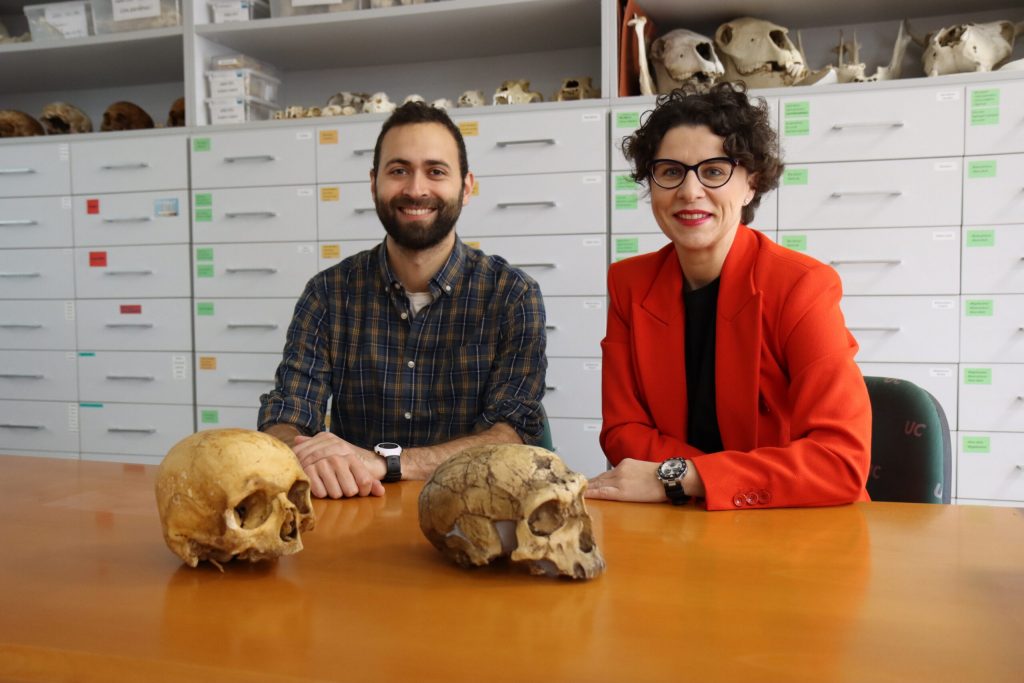
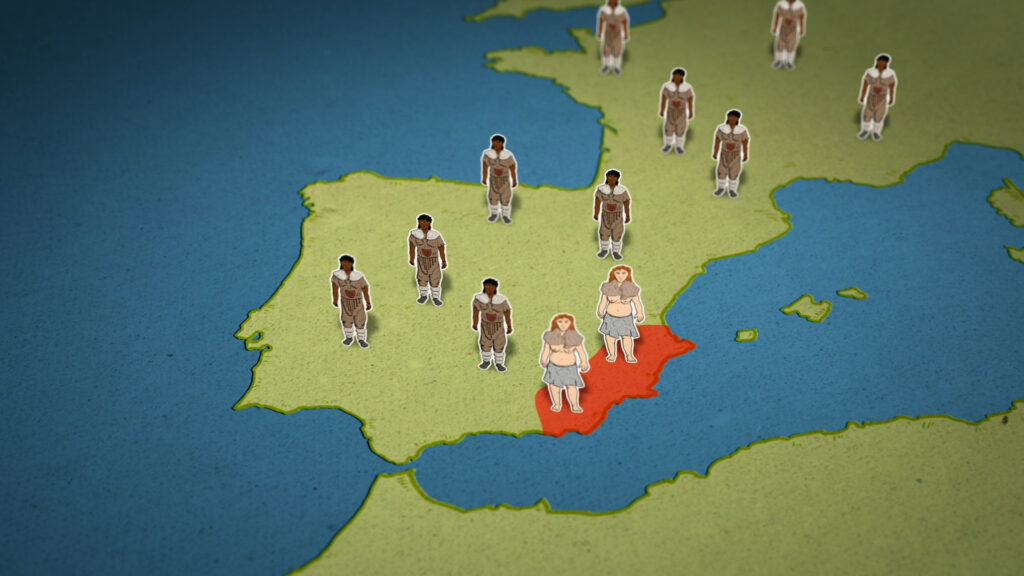
A study reconstructs their final 15,000 years and points to the decisive role of our own species When the first groups of Homo sapiens began expanding across Europe, Neanderthals had already inhabited the continent for more than 300,000 years. They had survived two glaciations and the extreme environmental changes they brought. Yet around 35,000 years

Why did the Neanderthals disappear? Read More »

Borja González Rabanal

Human migrations between the coast and the interior of the Iberian Peninsula at the end of Prehistory confirmed

A pioneering study by the EvoAdapta Group at the University of Cantabria creates the first sulfur isotopic map proving human migrations during the Late Prehistory A team from the EvoAdapta Group at the University of Cantabria, together with collaborators from national institutions (University of Valladolid; University of Burgos; University of Oviedo; Junta de Castilla y

Human migrations between the coast and the interior of the Iberian Peninsula at the end of Prehistory confirmed Read More »

Differences in herbivore abundances motivated the spatiotemporal disappearance of Neanderthals in Iberia

Ecosystem productivity affected the spatiotemporal disappearance of Neanderthals in Iberia is the new paper from the ERC-Subsilience Project (ERCEA-818299), just published in Nature Ecology and Evolution and led by Ana B-Marín-Arroyo and Marco Vidal Cordasco, from the University of Cantabria (Spain).   The research has been published in the scientific journal on ecology and evolutionary

Differences in herbivore abundances motivated the spatiotemporal disappearance of Neanderthals in Iberia Read More »